Monday, November 30, 2009

Wow! It's just like a cathedral

Slaughter of the Innocents. Chartres Cathedral

In a marvellous article in today's Guardian (just 30p in a student shop near you), Sam Leith likens the popular time-waste 'em up World of Warcraft to a cathedral. According to Leith, World of Warcraft is:

[A] sword'n'sorcery game in which players control virtual characters who whizz about killing monsters, collecting treasure, fighting or ganging up with one another. Azeroth has a functioning virtual economy, and (mindbogglingly) an exchange rate with the real world: a WoW gold piece, enough to buy you some virtual barbecued boar ribs, is currently worth about one and a half euro cents. Also, WoW has some wicked magic swords. Yet grown-ups play it. In fact, seduced by the beauty of this whole new world that's theirs to explore, they find it eats their lives.

Leith goes on to tell us that World of Warcraft is not like a film. What it is like, however, is a cathedral. A great big gothic cathedral, in fact. Just like Chartres. Leith's logic is that the fractured narrative of a WoW session is a repetetive grind, with lots of boar-slaying, getting ambushed and being killed. Quite unlike the oneric experience of sitting in a big dark room full of strangers, gazing upon the projected spectacle of cinematic truth at 24 frames per second.


For Leith, a much better comparison would be to liken WoW to a medieval cathedral: a magnificent work, created by many hands over a great period of time and which remains largely unfinished. "All those programmers", according to Leith, "are the modern-day equivalent of stonemasons, foundation-diggers and structural engineers". Moreover, Leith asserts, there isn't a narrative in a cathedral (that's debatable, but we'll let that one slide) but there is a mythos--a whole system of stories--along with a wealth of detail, and a social space.


Oh, and apparently the number of people who play World of Warcraft outnumber the population of Greece. Now there's a sobering thought.

Saturday, November 21, 2009

Machinima Expo 2009 - Map and Schedule

A map of the site is available on the expo site at machiniplex.net/expo, along with a schedule of screening times. Click the image above for a larger version. Click the image below to open the schedule as a PDF.

Friday, November 20, 2009

Machinima Expo 2009


Click on the image to open a link to the Facebook group associated with the event. More information about the Machinima Expo is available here: http://machiniplex.net/expo


Alternatively, you can click on the following SLurl to go to the Second Life location if you have Second Life installed: http://slurl.com/secondlife/ucsville/141/124/25


Second Life can be downloaded (for free) from http://secondlife.com/support/downloads.php


Wednesday, November 18, 2009

Zotero: bibliographical tool

Zotero is a bibliographical tool available as a Firefox-plugin for Windows, Mac and Linux. Version 2 is available as a beta (ie, not quite finished) but, according to ProfHacker, it is stable.

Zotero is essentially a database that lets you keep bibliographies (and notes) for the different topics, or different projects etc, you might be working on. You can grab information from the web, Amazon, online databases like the UEA electronic journals, etc and Zotero will keep it all organised. When you're working on your essay, all you need to provide is the page number and, with a couple of clicks, Zotero will provide the reference--in any of a number of citation style (Harvard Chicago, MLA, etc) At the end of the essay, Zotero will also insert a fully formatted bibliography of the materials cited.

Thursday, November 12, 2009

Suffolk eLearning Forum

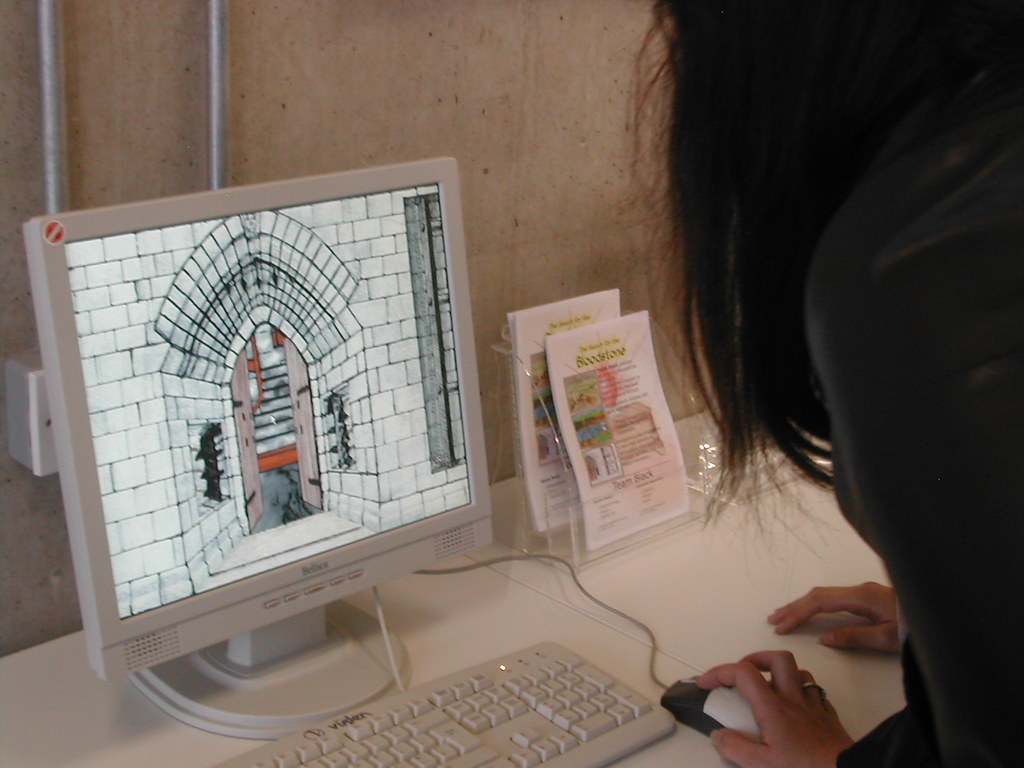
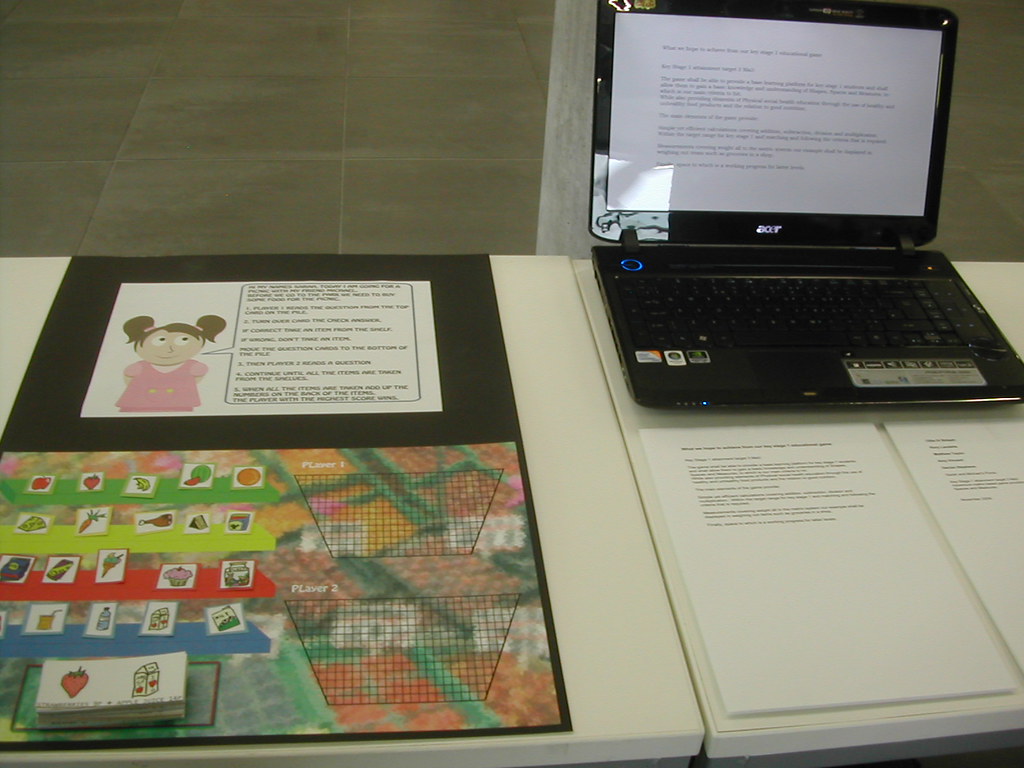
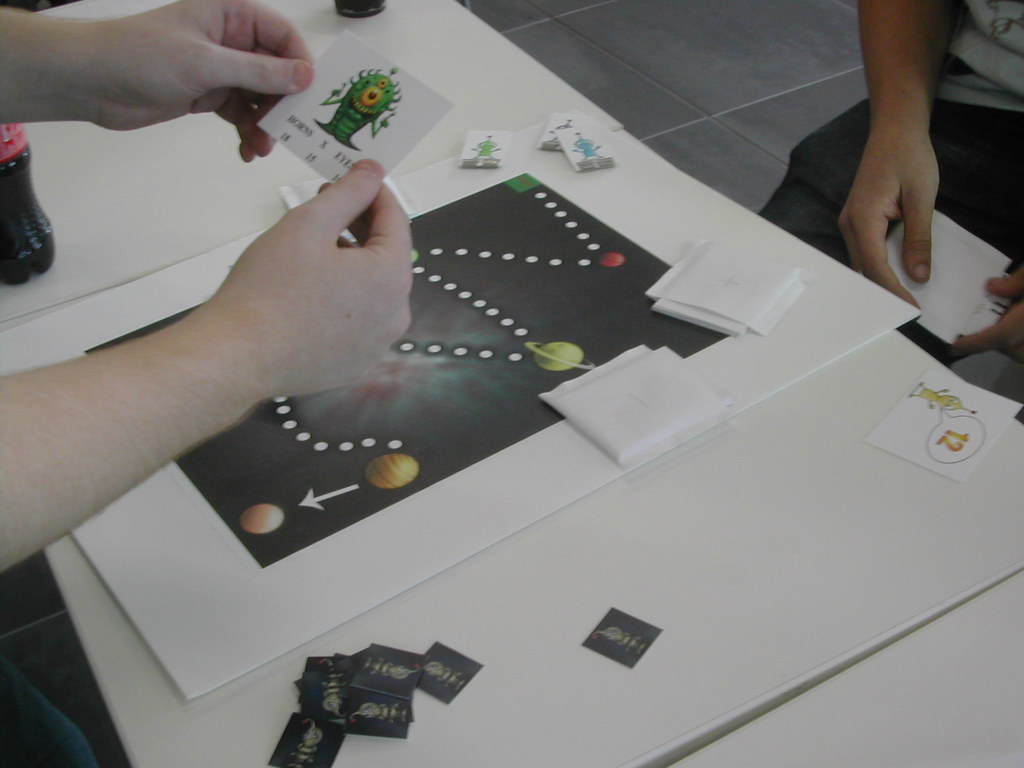
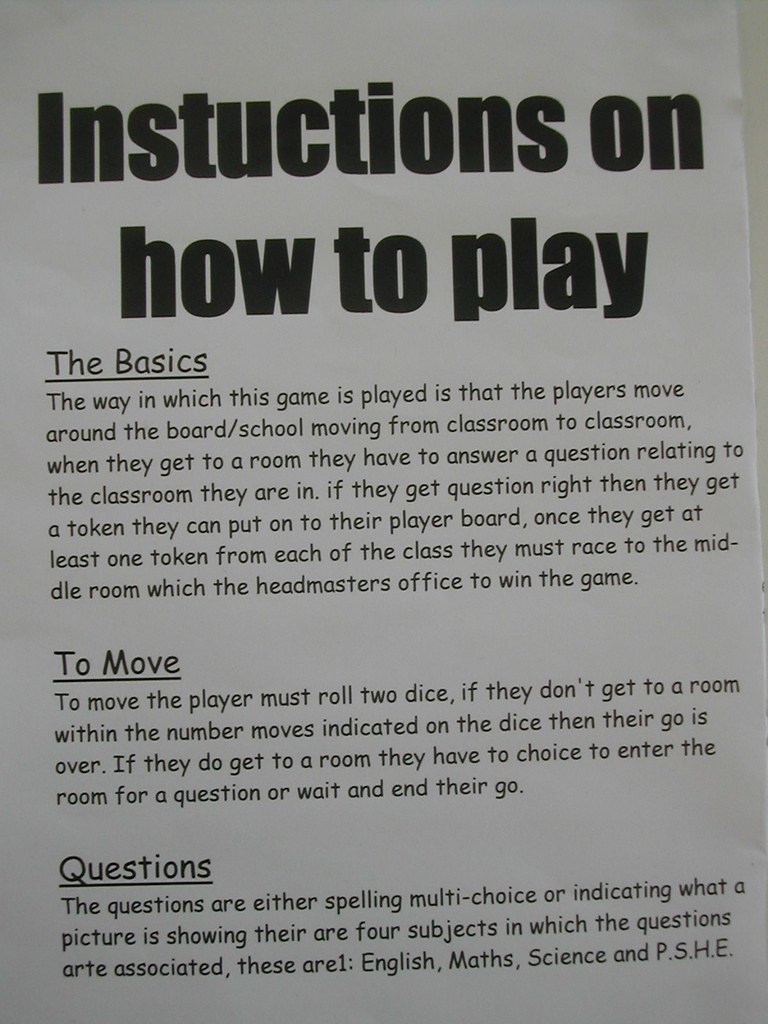
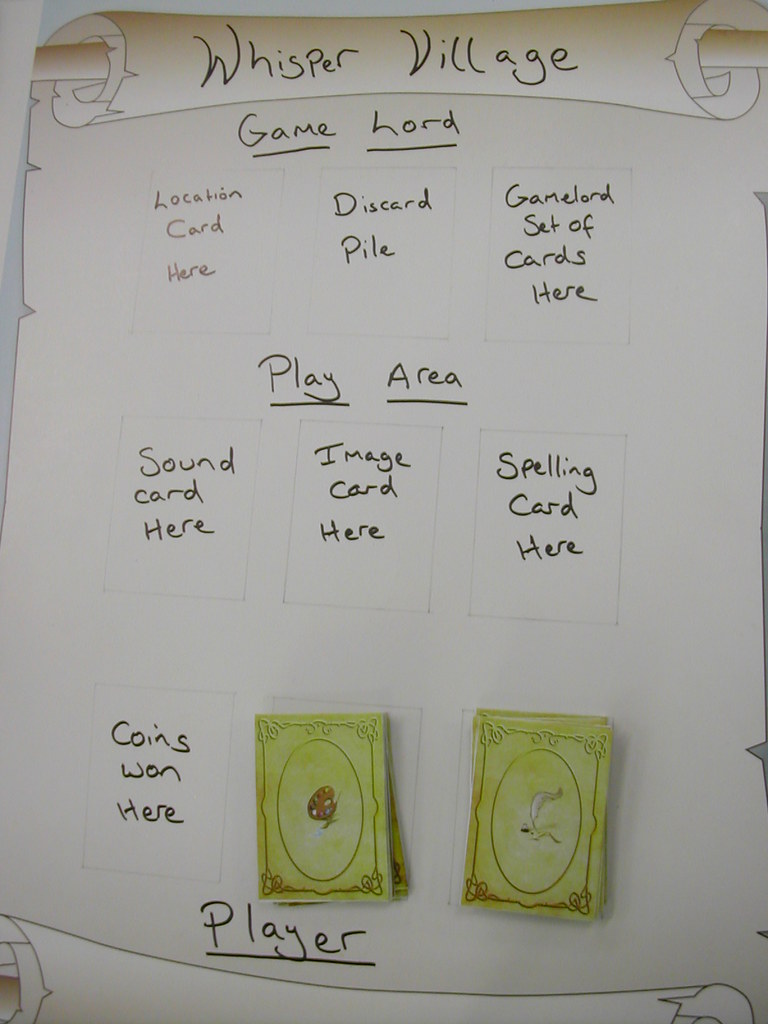
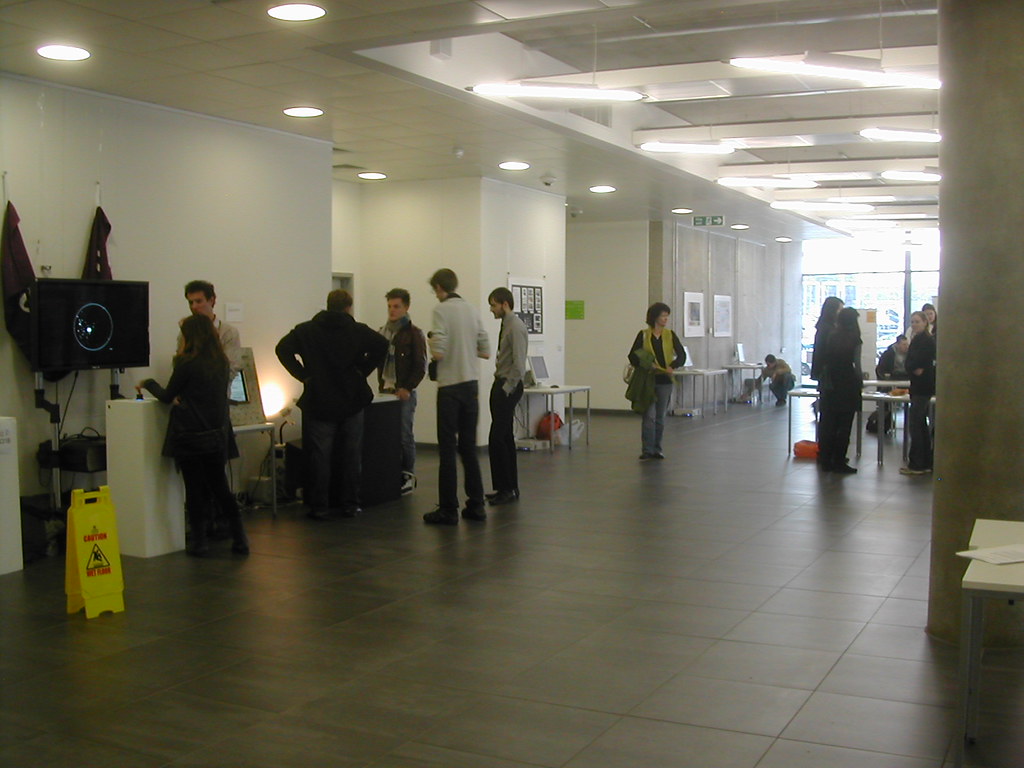
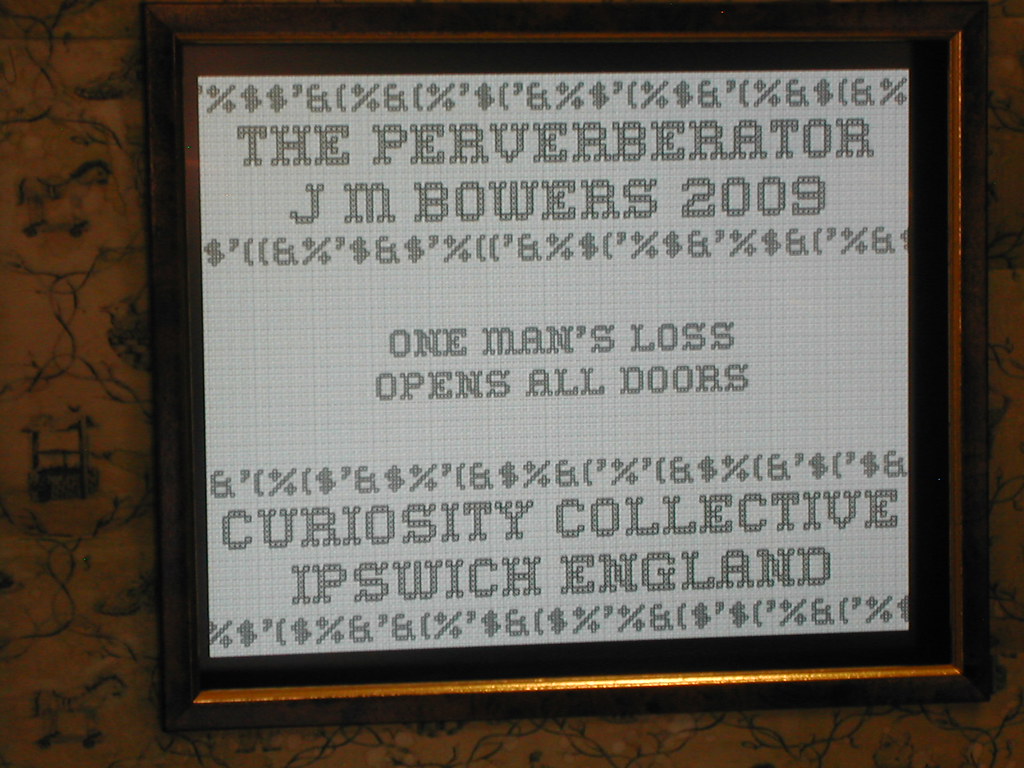
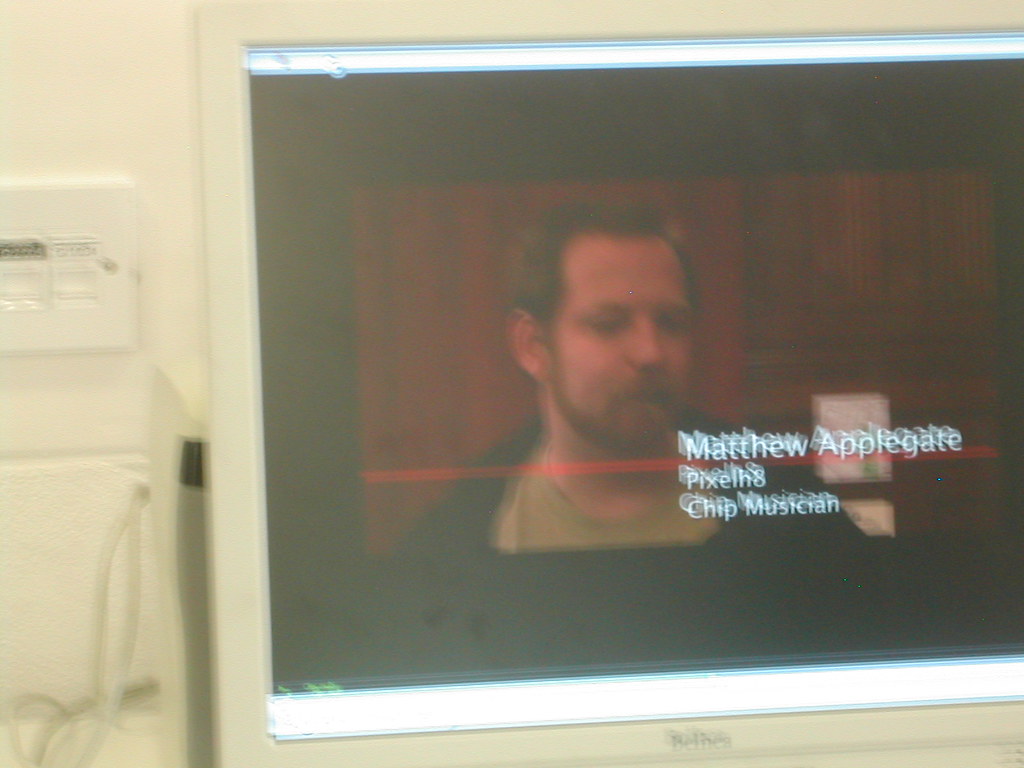
As well as the talks, there were some student games on show, both complete games from some of the L2 and L3 design and programming students, and paper prototypes of games being developed by the L1 Computer Games Design group. The Curiosity Collective were showing some of their curios (I liked the proverb generator) and Matthew Applegate had an installation running too.


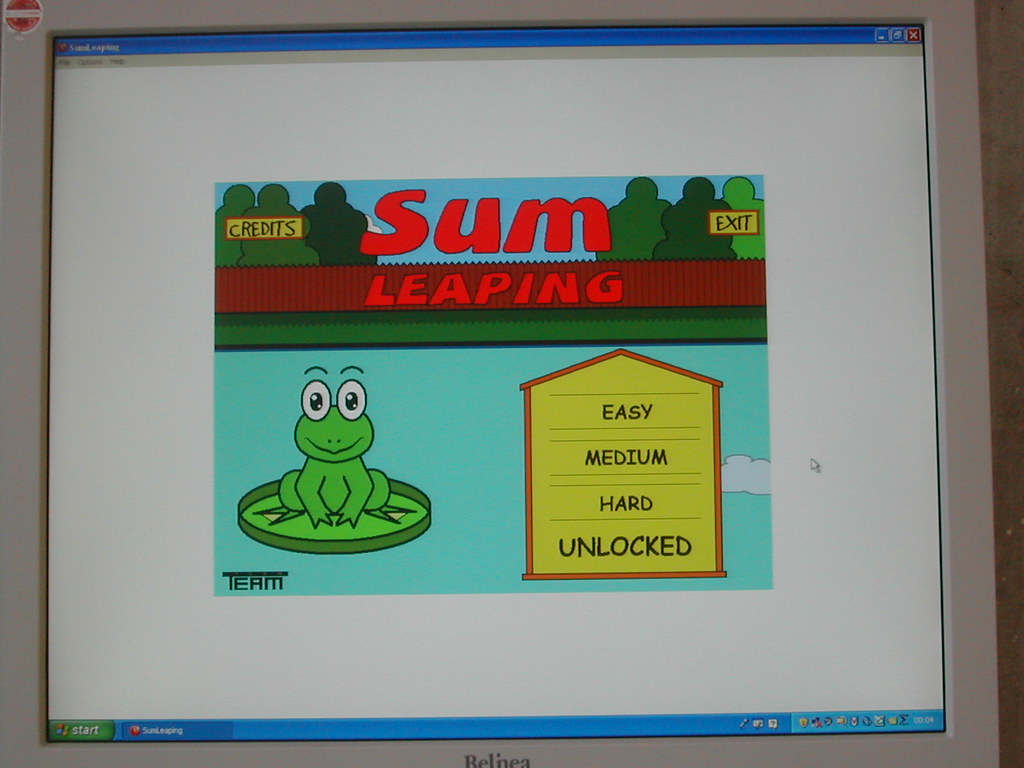
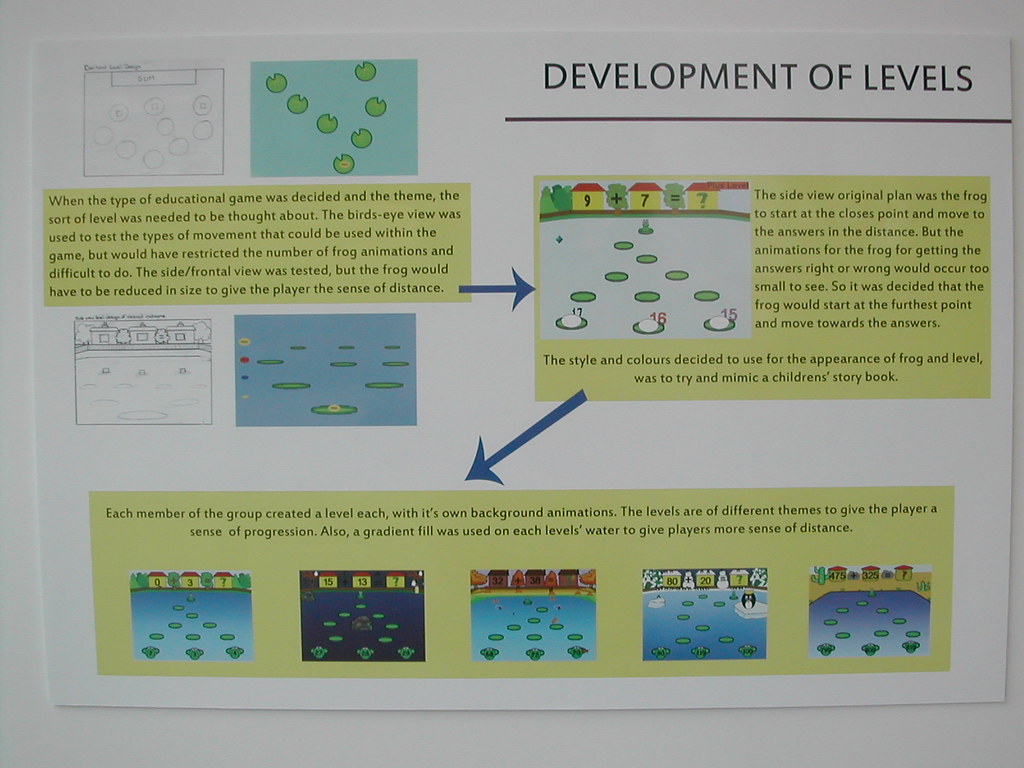
Sum Leaping


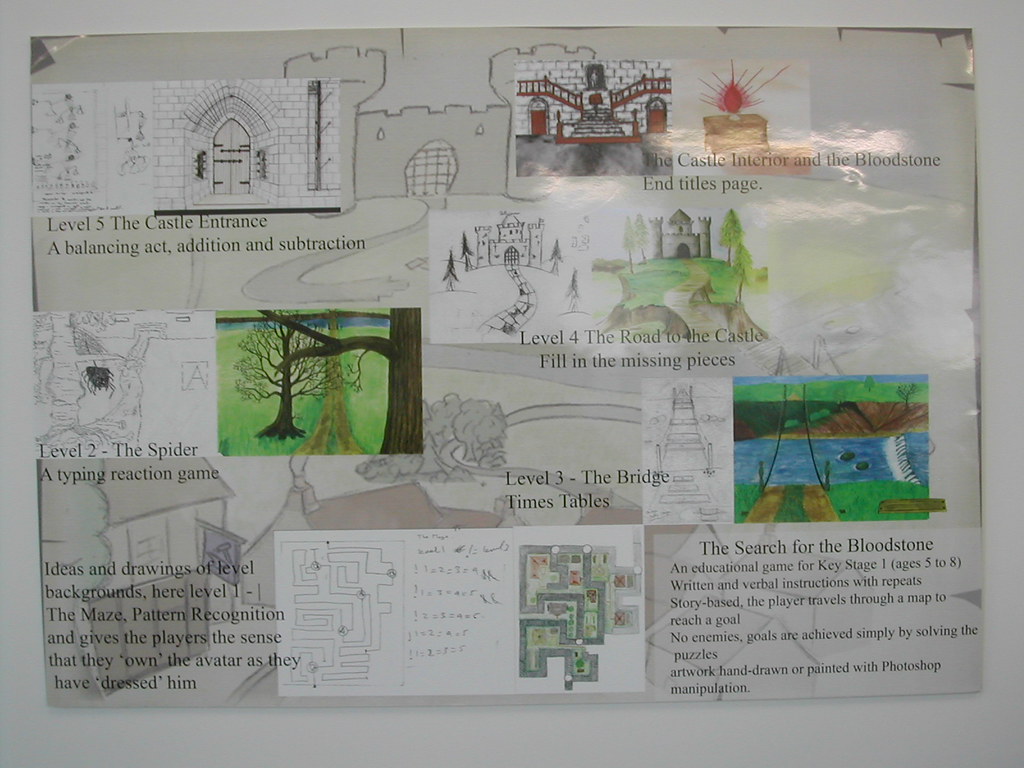
The Search for The Bloodstone


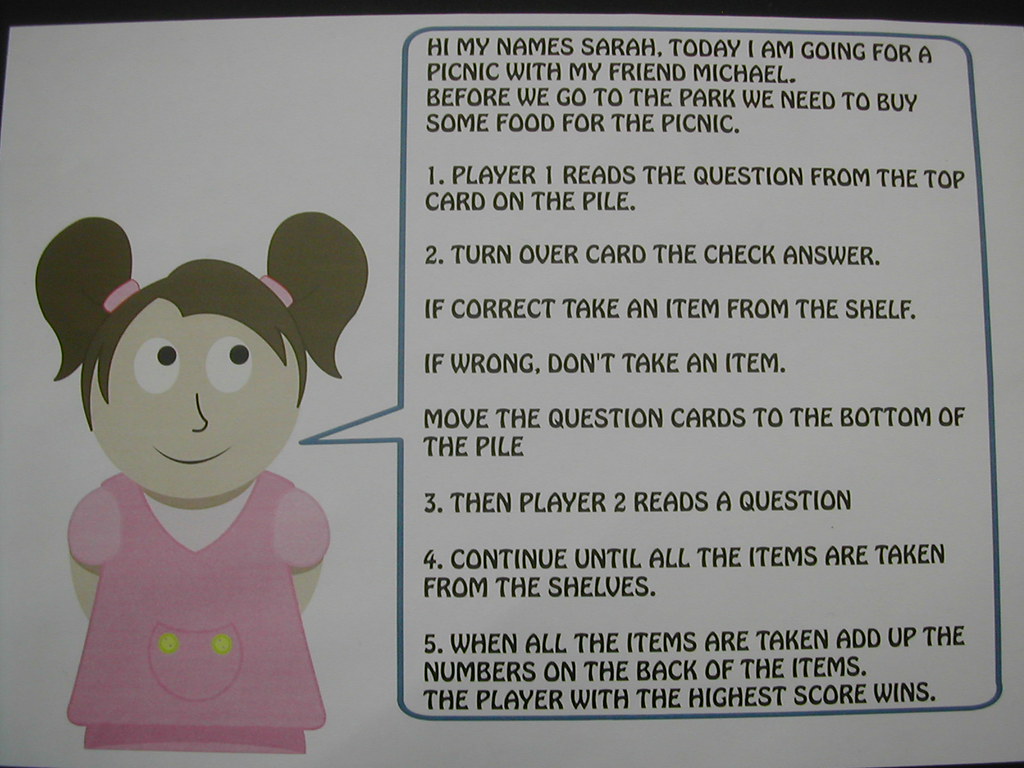
Sarah and Michael's Picnic


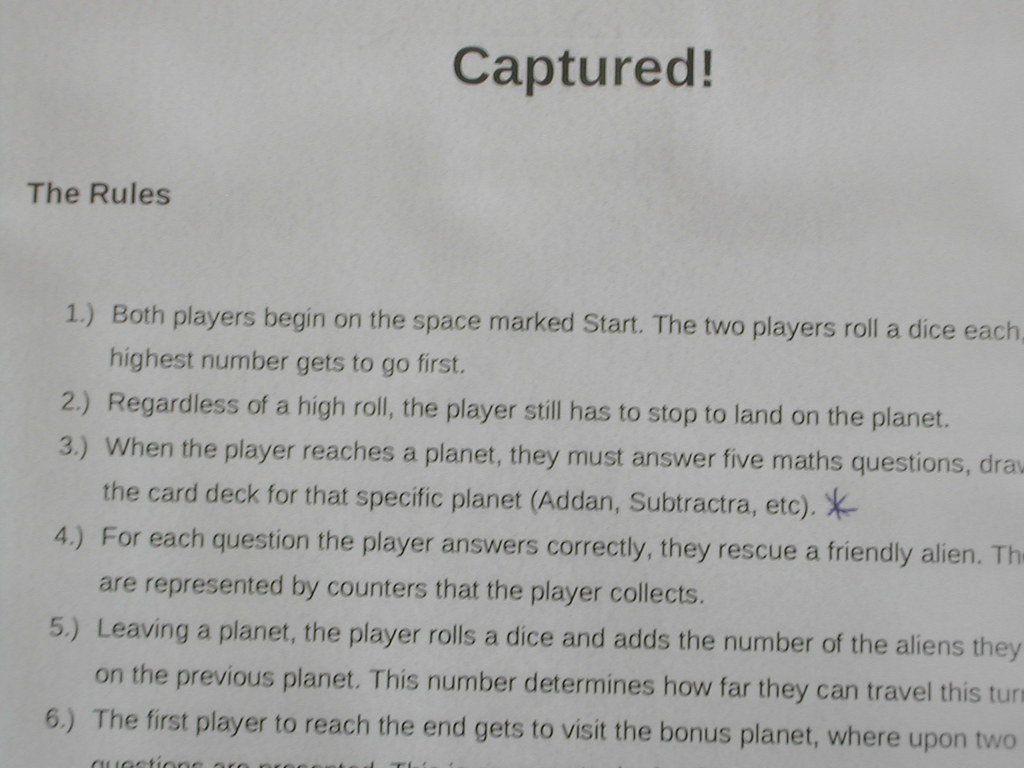
Captured


Dragon School


Whisper Village


Curiosity Collective


Matthew Applegate (Pixelh8)


Wednesday, November 11, 2009

Suffolk eLearning Forum

There was a great turnout, interesting speakers and a nice set of prototypes of student games on show at the today's Suffolk eLearning event.

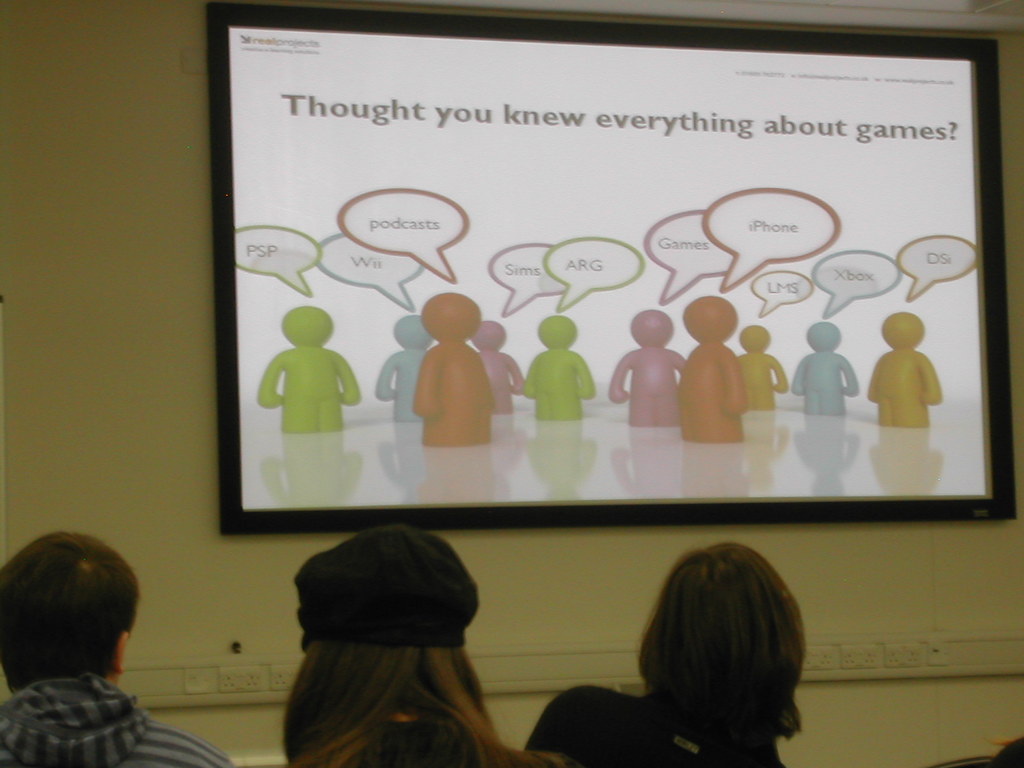
Scott Hewitt of RealProjects kicked off the talks with an overview of the development of elearning, from screen -> screen -> test type-scenarios to current developments that make use of 3D game engines, not to mention a variety of portable devices, including familiar pocket-fillers such as the Nintendo DS, Sony PSP and the Apple iPhone, as well as some examples of how Wii-controller technlogy is being harnessed for training and educational use.


Scott Hewitt has posted his presentation on the RealPrtojects website. View it here: Games-Based Learning. Other resources are also available on the RealProjects site: http://www.realprojects.co.uk/gamebasedlearning/


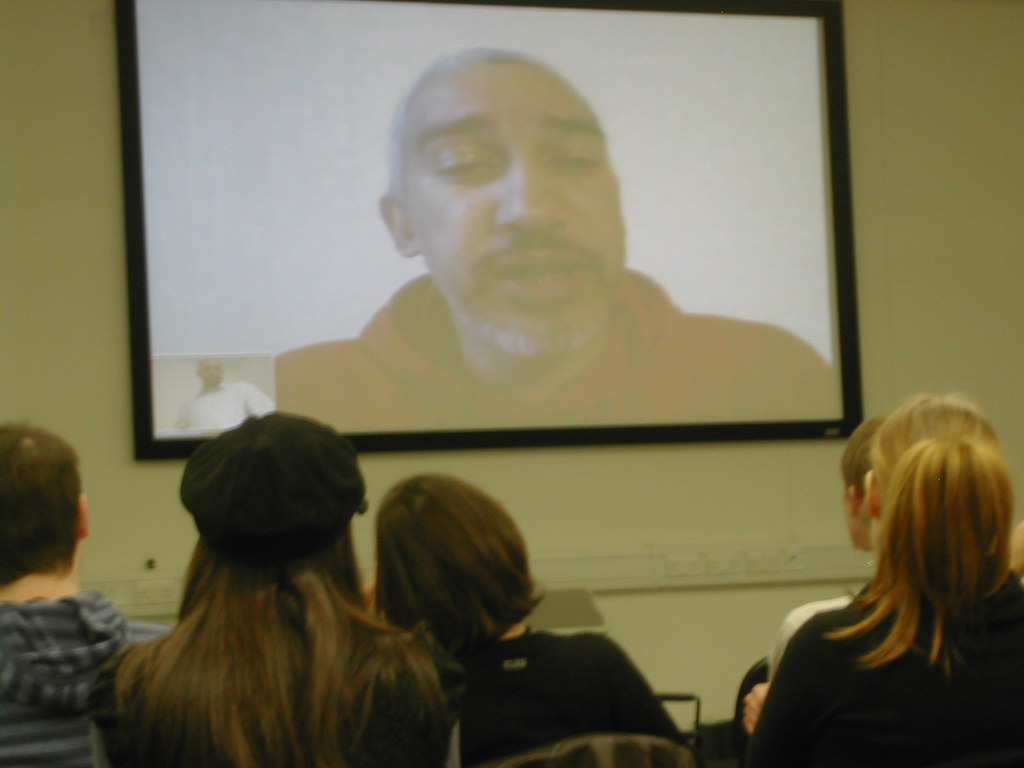
Dan Mayers and Adam Mayes's presentation on Alternate Reality Gaming (ARG) was really interesting and thought provoking. I'm not that familiar with the concept of ARG-ing beyond it involving some running around and "doing stuff" IRL, but the presentation suggested how ARG-ing can bring a whole new lease of life to things like field trips and guided walks. There are some great integrational (is that a word?) possibilities, directing users/players to online content--web pages, information, clues, video etc.--using QR codes and mobile phones. Truly fascinating stuff.

Adam wasn't physically present--he was in Denmark, so it was great that he took part via Skype with nary a hitch (I've been to several tech-focussed conferences where the inevitable technical hitch leads to non-ironic whoops from the audience after someone gets on stage and manages to get the speaker's Mac to connect to the internet via wifi. Adam's link-up today was so seamless that no-one noticed or, if they did, they were all too cool to whoop or make a fuss).

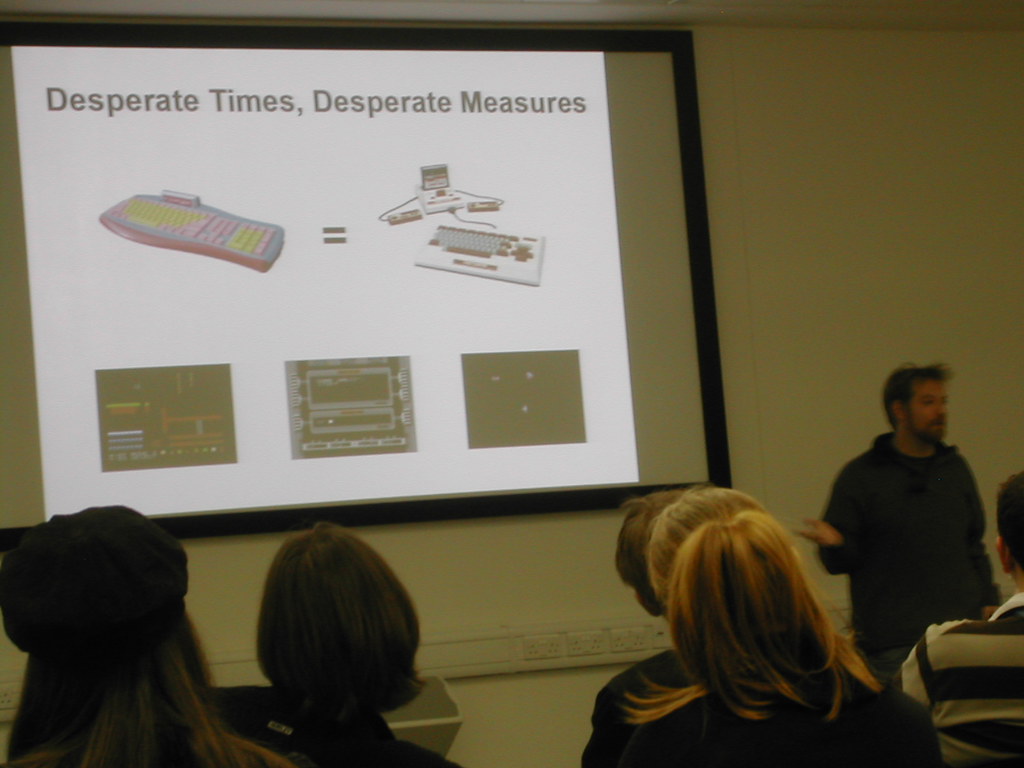
There was some concern about Matthew Applegate as his last known contact with the world was a tweet last night to say that he was feeling poorly, but he nonchalantly arrived, bang on time, with a laptop and a carrier bag and talked about the decline of programming in the school curriculum and went on to make some suggestions about some ways people could get coding (eg: scratch, squeak, atmosphir, processing) and he also mentioned some projects that will bring basic--beginner's all-purpose symbolic instruction code--to some popular consoles.


Tuesday, November 10, 2009

Free Presentation Software


Another nice free thing (with a couple of paid options) is a presentation application called Prezi. It differs from PowerPoint in that it is like a zoomable poster rather than a series of slides of bullet points. Here's a video clip that provides an overview of the key featues:

There's some discussion of Prezi here: http://www.profhacker.com