Showing posts with label serious games. Show all posts

Tuesday, September 7, 2010

From Gameboy to Armageddon

accompanying pictureThis fascinating programme on BBC Radio 3 is a repeat of an earlier broadcast in February 2010.

The programme discusses the use of gaming technology in warfare, combat training, and even recovery and recuperation. The phrase "military entertainment complex" nicely captures the scope of the programme. (According to Tim Lenoir, All But War is Simulation [see footnote #4 on page 292], the phrase (which is a re-working of "military-industrial complex" which refers, literally, to the business of killing people) was, apparently, first used by Bruce Sterling in "War is Virtual Hell" in the first issue of Wired magazine (March/April 1993). While Sterling certainly discusses the developing synergy between the military and gaming technology, he doesn't quite coin that wonderful phrase.)

There is some discussion of the morality of gameplay--for example, having to kill "wounded" opponents or bots to win Full Spectrum Warrior--but interestingly, while the media often raises questions about the morality of videogames, the question of the morality of warfare per se doesn't even appear as a blip on the programme's radar screen.

It hasn't yet hit the BBC iPlayer, but will appear shortly: http://www.bbc.co.uk/programmes/b00qps1j. Alternatively, the marvellous RadioDownloader offers a convenient way of grabbing radio programmes that might otherwise be missed.

Monday, June 7, 2010

Keeping it (un) real: Serious Games


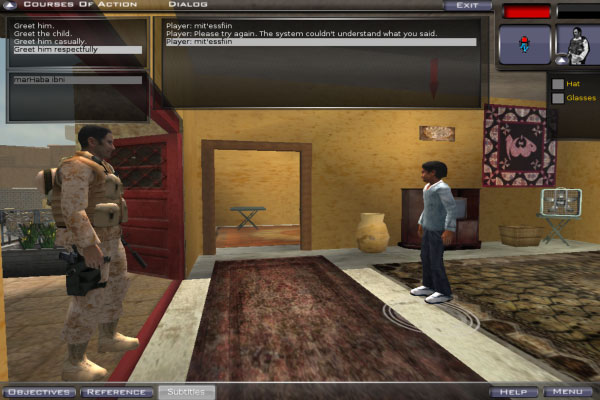
Mike Shaugnessy of Washington & Jefferson College, Pennsylvania, is currently guest-blogging on BoingBoing. He recently posted about "Tactical Iraqi", a language and culture simulation/training application, developed at the University of Southern Califormia using Unreal Technology and funded by the US military's Defence Advanced Research Projects Agency (DARPA).

Shaugnessy also notes that the Americans have built facsimile Iraqi villages in the California desert "so soldiers can practice their interactions with [pretend] locals and [cod] insurgents and get the authentic feel for life in Iraq as an occupying force". Similar facsimiles have been created in the UK in a forest in Norfolk and in Somerset, but as of yet there is no film version (Full Battle Rattle is set in an American training facsimile of an Afghan village).

What's interesting is the use of FPS gaming technology to recreate real locations to provide simulation and training that *doesn't* have any shooting in (that's right: the interactions are verbal and gestural and don't include rocket launchers!). "Tactical Iraqi" has been around for a while, as this BBC story shows, and has picked up several awards, including a DARPA award in 2005. It was first built using UT2003. Shaugnessy's BongBoing post refers to the latest release (October 2009), but doesn't note if the developers have updated to a newer Unreal engine. There are now several "Tactical Language" spin-offs, including "Tactical Pashto", "Tactical Dari", "Tactical French" and "Tactical Indonesian". While "Tactical Levantine" seems to have been dropped (see that BBC story) a "Tactical Jive" or "Tactical Urban Street Argot" might be useful for facilitating some local integration.

There is some interesting discussion of the development and play testing here: http://www.awn.com/articles/gaming/learning-languages-games-itactical-iraqii

Unfortunately, there's no downloadable demo available (athough anyone with access to a .mil email address can download the software for free) but a video and a brochure can be found on the Alelo website.

Other video clips can be found in all the usual places. This one's from DailyMotion:

The American military has a long history of using games technology for training, as this article by Roger Smith Simulation and Gaming 41.1 (February 2010) shows.

Acclaim for the "Tactical Language" simulations is not universal, as shown by this post on Watercooler Games by academic cum games designer Ian Bogost.

Thursday, November 12, 2009

Suffolk eLearning Forum

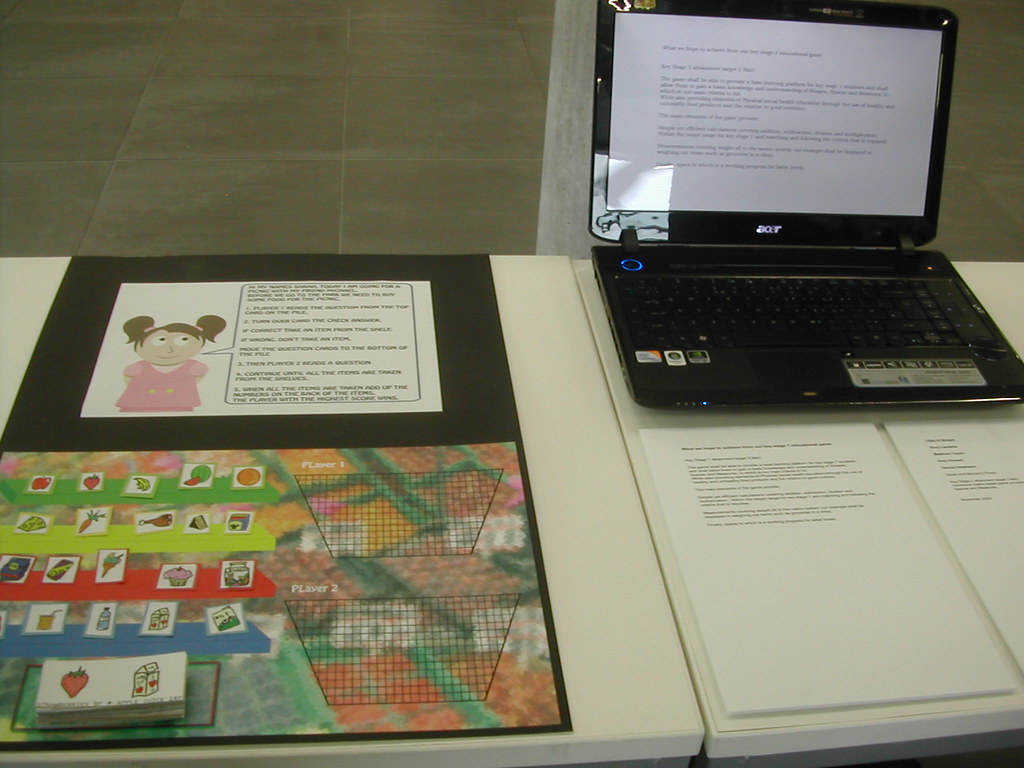
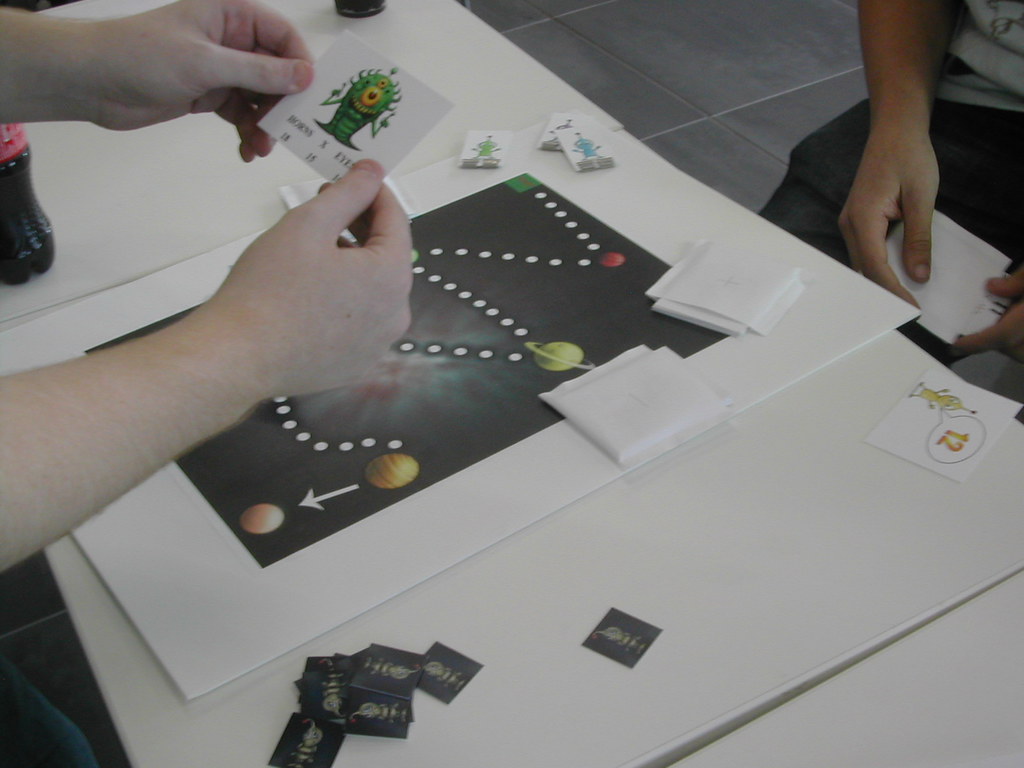
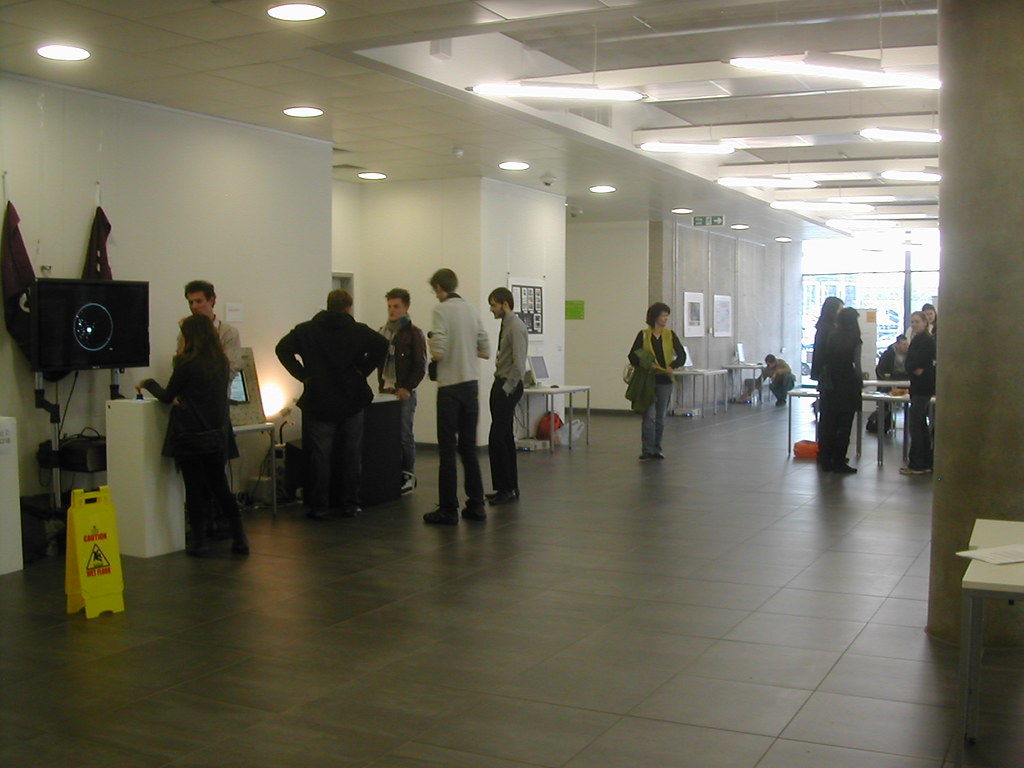
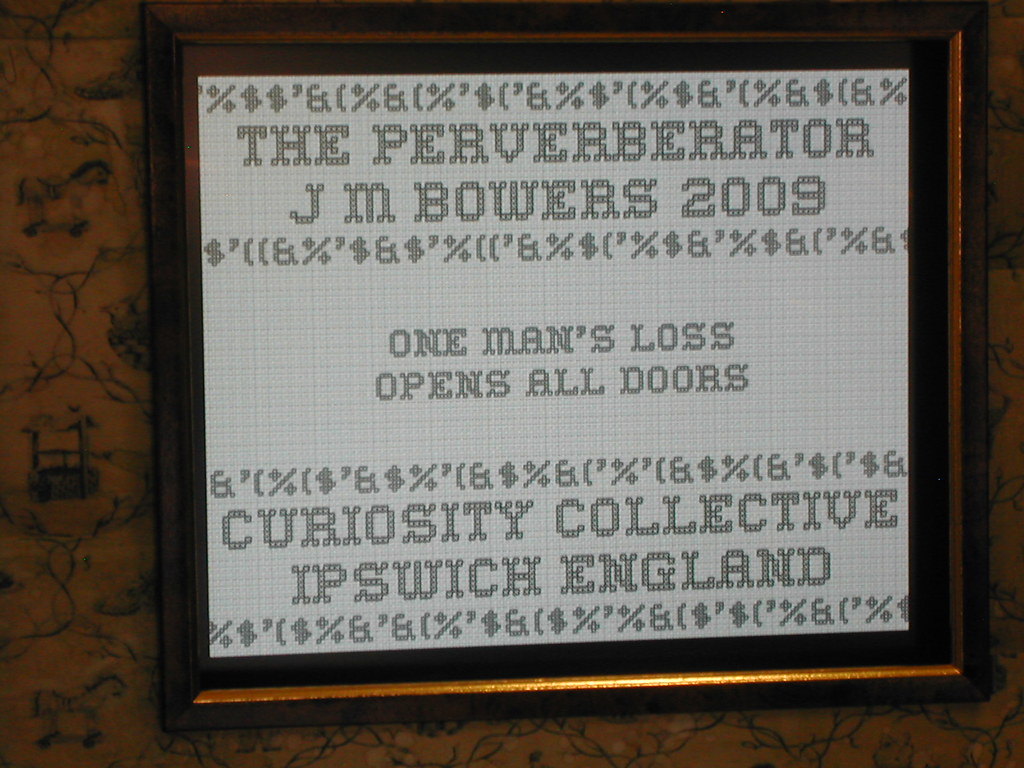
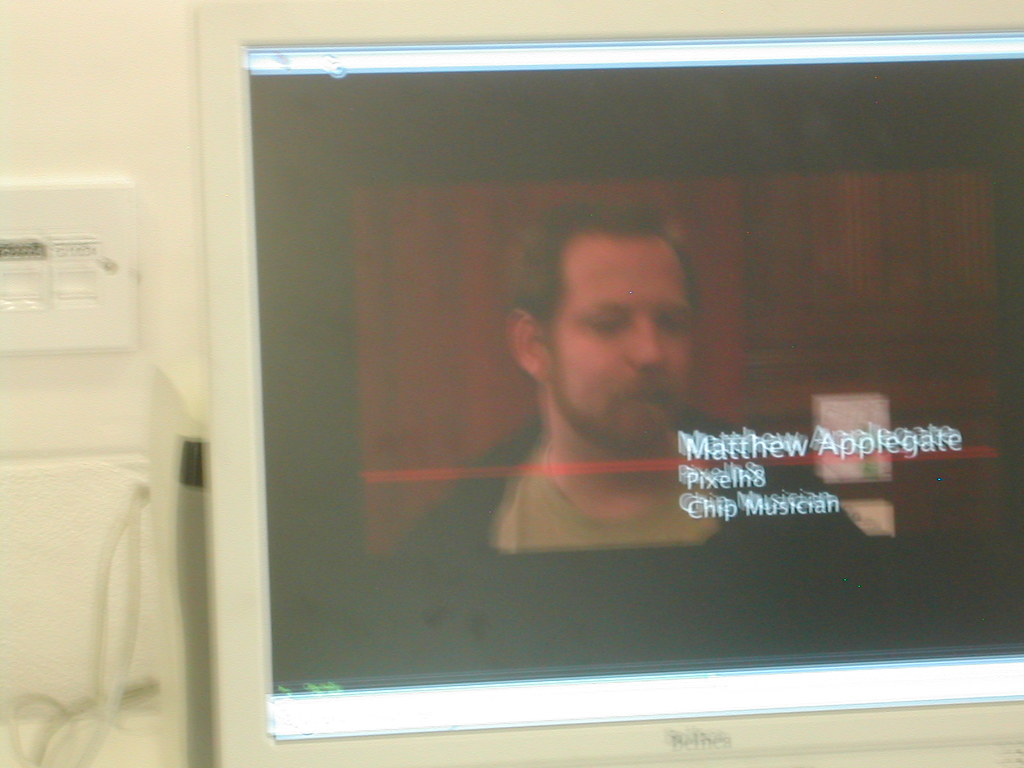
As well as the talks, there were some student games on show, both complete games from some of the L2 and L3 design and programming students, and paper prototypes of games being developed by the L1 Computer Games Design group. The Curiosity Collective were showing some of their curios (I liked the proverb generator) and Matthew Applegate had an installation running too.


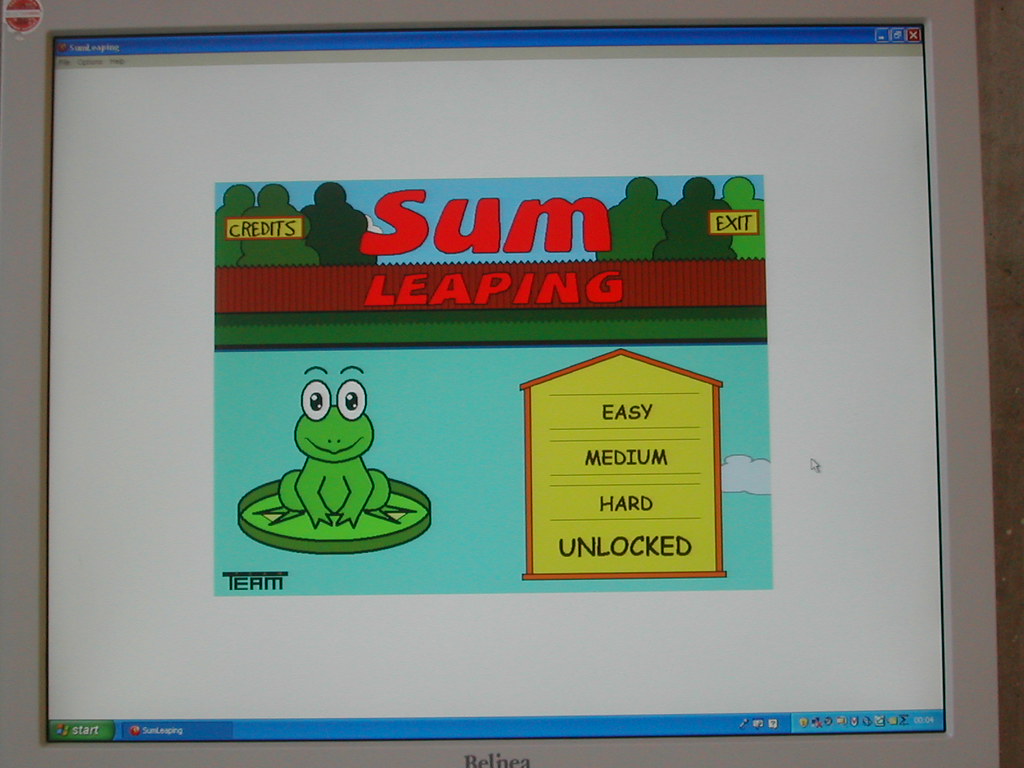
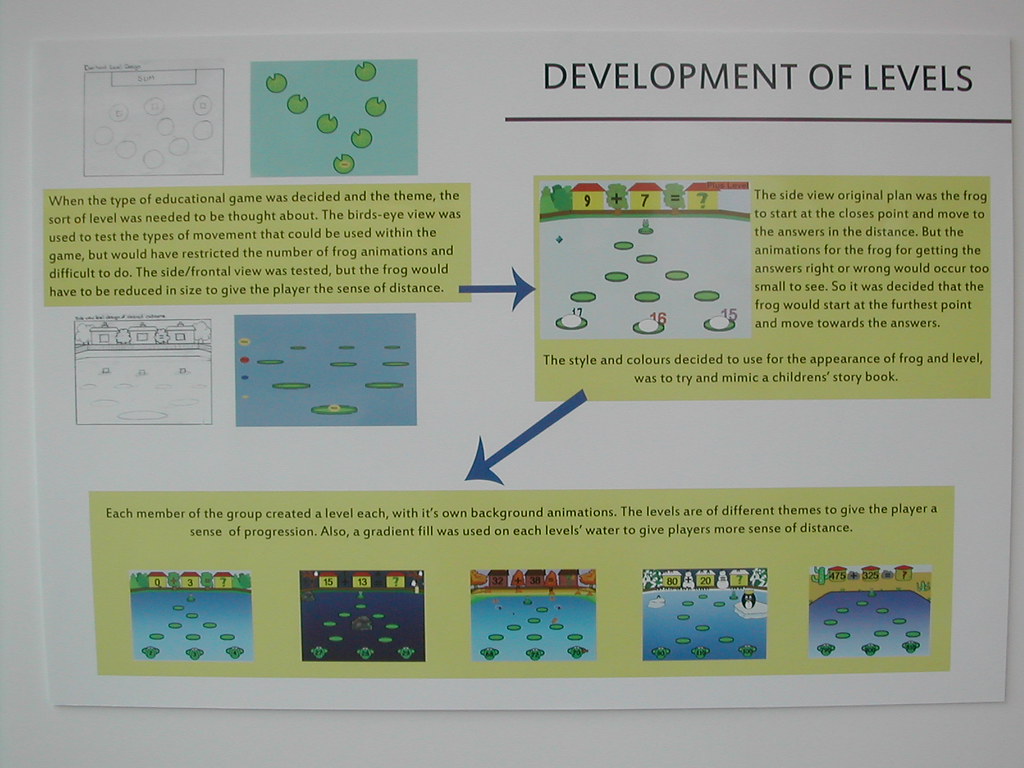
Sum Leaping


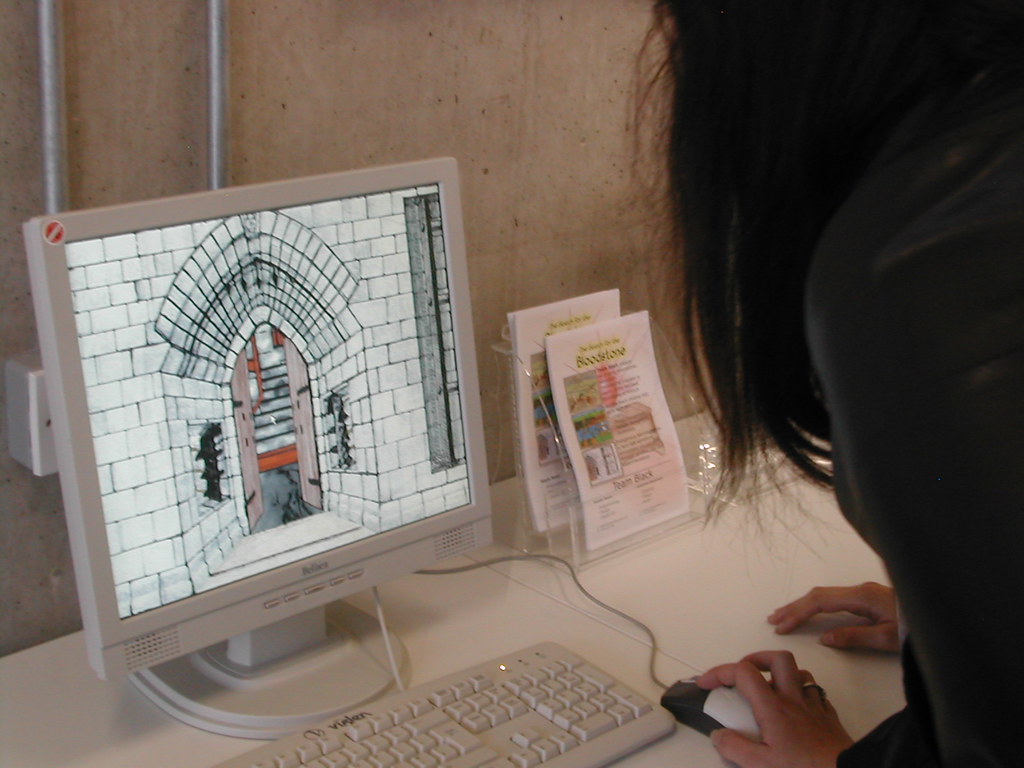
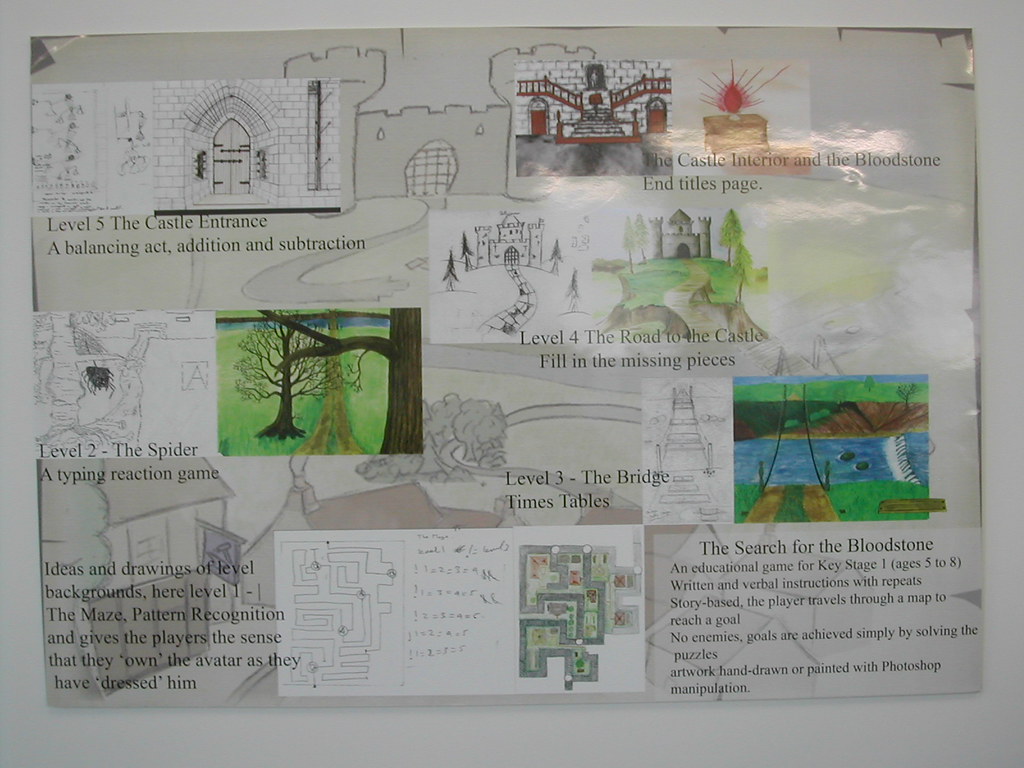
The Search for The Bloodstone


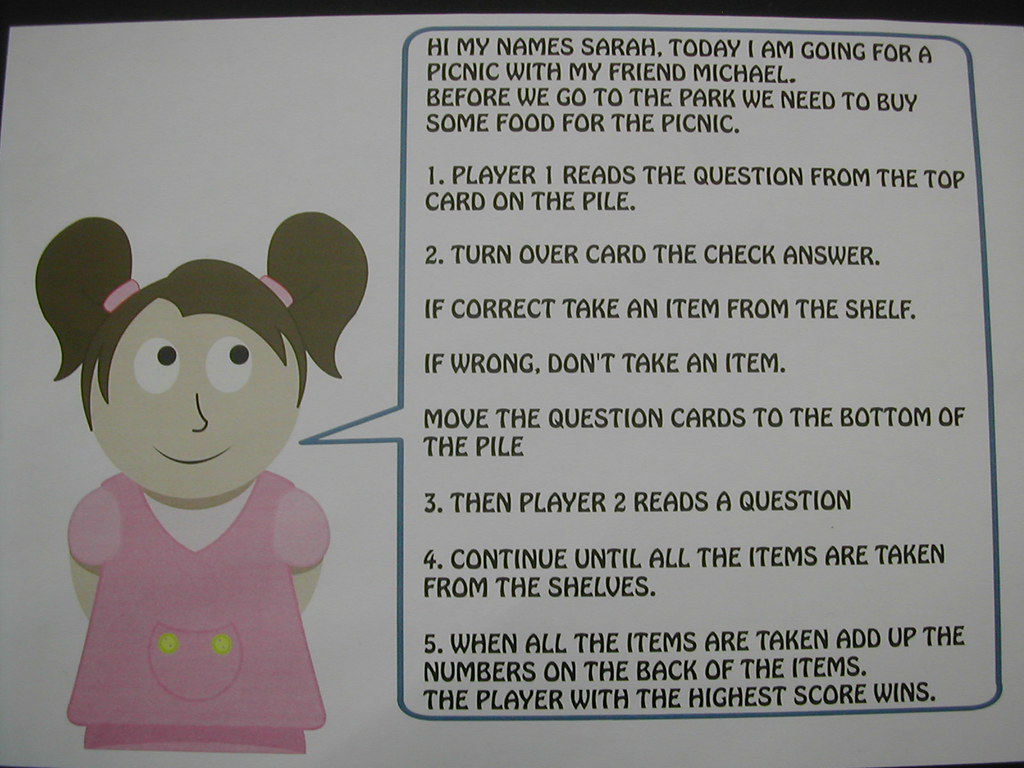
Sarah and Michael's Picnic


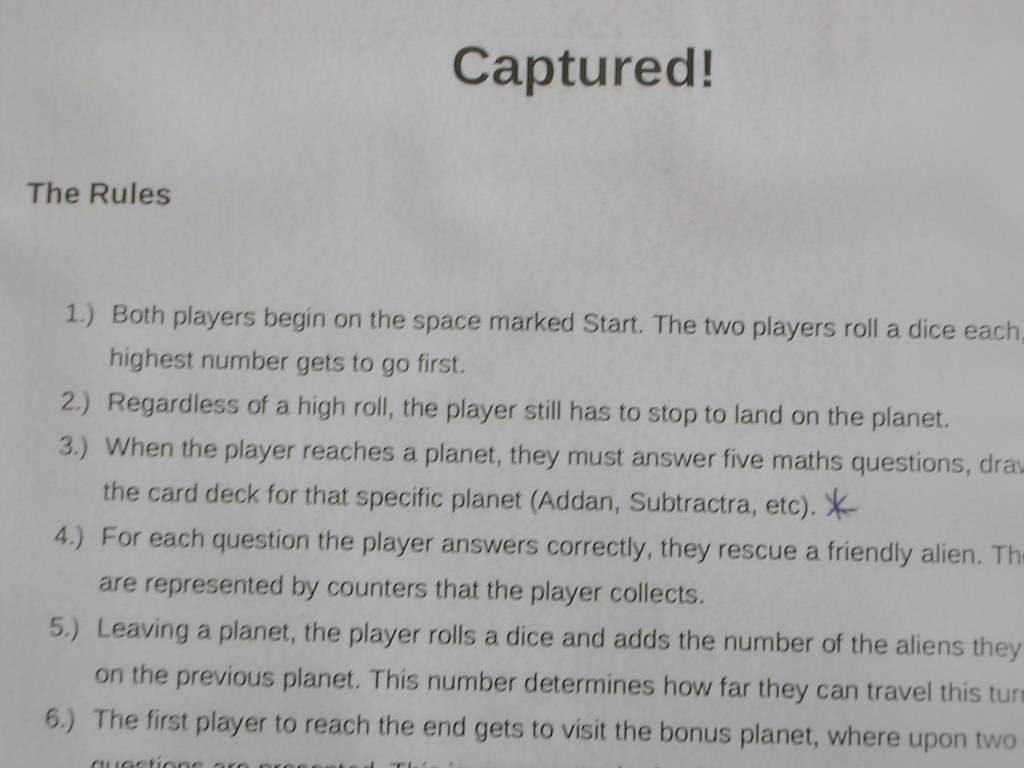
Captured


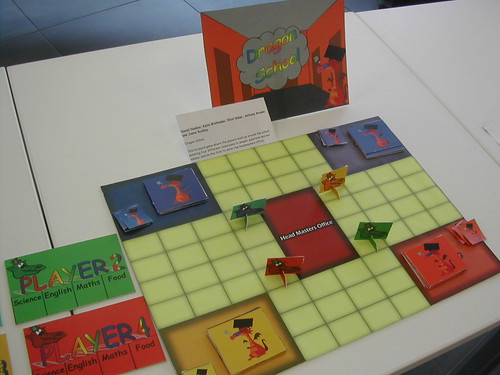
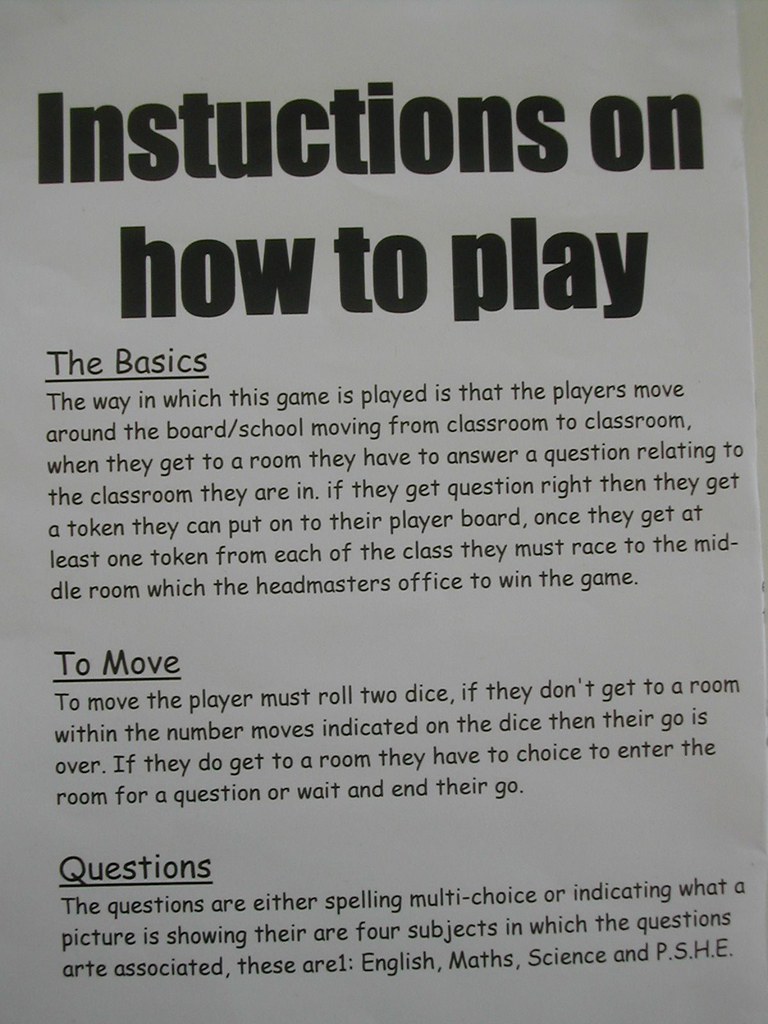
Dragon School


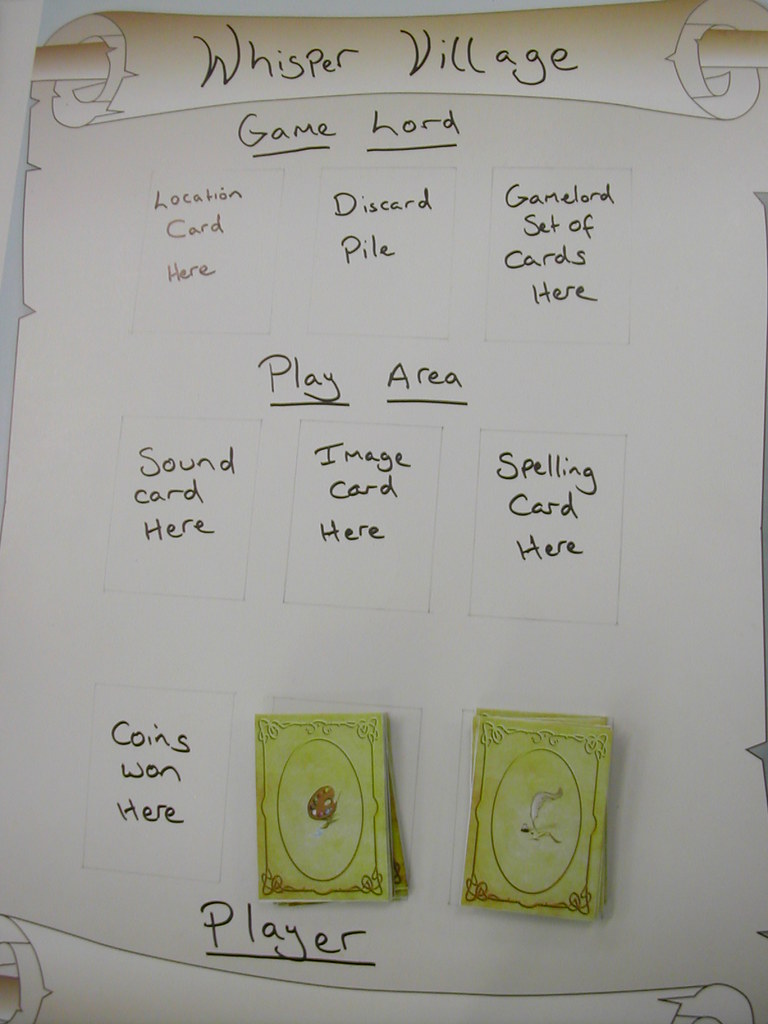
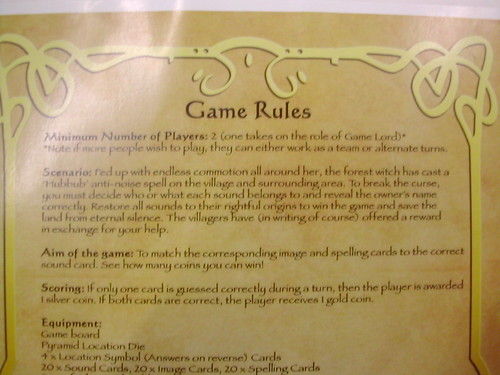
Whisper Village


Curiosity Collective


Matthew Applegate (Pixelh8)


Wednesday, November 11, 2009

Suffolk eLearning Forum

There was a great turnout, interesting speakers and a nice set of prototypes of student games on show at the today's Suffolk eLearning event.

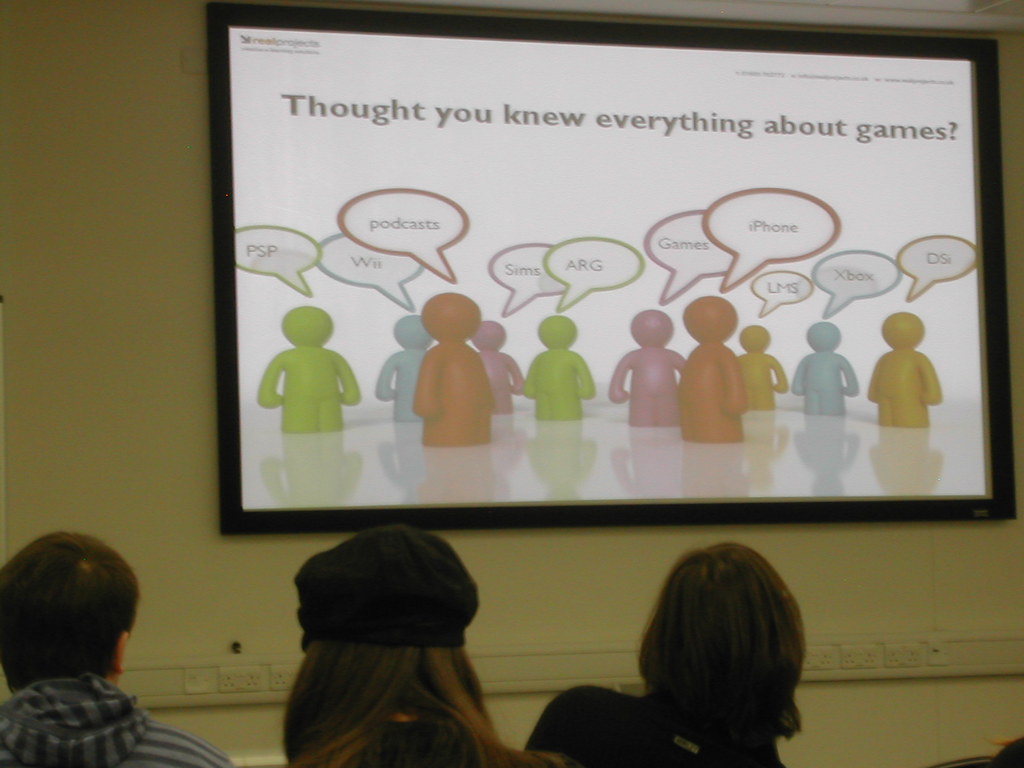
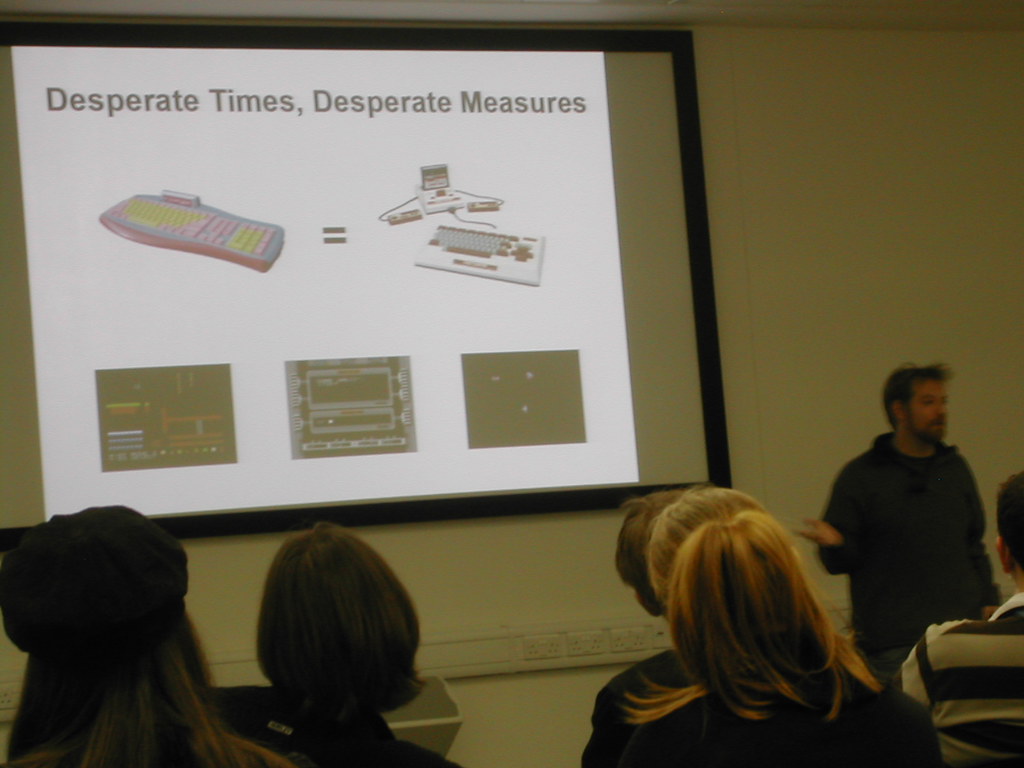
Scott Hewitt of RealProjects kicked off the talks with an overview of the development of elearning, from screen -> screen -> test type-scenarios to current developments that make use of 3D game engines, not to mention a variety of portable devices, including familiar pocket-fillers such as the Nintendo DS, Sony PSP and the Apple iPhone, as well as some examples of how Wii-controller technlogy is being harnessed for training and educational use.


Scott Hewitt has posted his presentation on the RealPrtojects website. View it here: Games-Based Learning. Other resources are also available on the RealProjects site: http://www.realprojects.co.uk/gamebasedlearning/


Dan Mayers and Adam Mayes's presentation on Alternate Reality Gaming (ARG) was really interesting and thought provoking. I'm not that familiar with the concept of ARG-ing beyond it involving some running around and "doing stuff" IRL, but the presentation suggested how ARG-ing can bring a whole new lease of life to things like field trips and guided walks. There are some great integrational (is that a word?) possibilities, directing users/players to online content--web pages, information, clues, video etc.--using QR codes and mobile phones. Truly fascinating stuff.

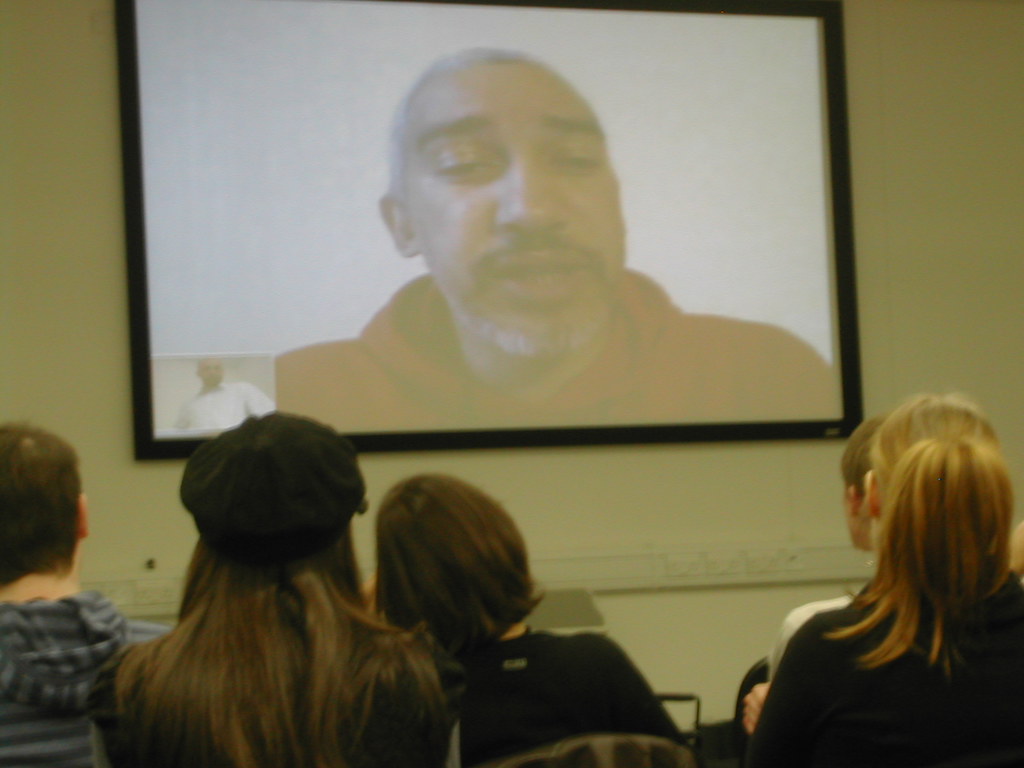
Adam wasn't physically present--he was in Denmark, so it was great that he took part via Skype with nary a hitch (I've been to several tech-focussed conferences where the inevitable technical hitch leads to non-ironic whoops from the audience after someone gets on stage and manages to get the speaker's Mac to connect to the internet via wifi. Adam's link-up today was so seamless that no-one noticed or, if they did, they were all too cool to whoop or make a fuss).

There was some concern about Matthew Applegate as his last known contact with the world was a tweet last night to say that he was feeling poorly, but he nonchalantly arrived, bang on time, with a laptop and a carrier bag and talked about the decline of programming in the school curriculum and went on to make some suggestions about some ways people could get coding (eg: scratch, squeak, atmosphir, processing) and he also mentioned some projects that will bring basic--beginner's all-purpose symbolic instruction code--to some popular consoles.


Saturday, November 7, 2009

Games Based Learning

Some of the level three students on the Computer Games Design and Computer Games Programming courses will be showing some of their key Stage 1 games at the forthcoming Games-Based Learning event to be held at the UCS Waterfront building, 2.00-5.00 on 11th November 2009 in collaboration with Real Projects. Student games on show include Bloodstone, Sum Leaping and Music Man. Additional information about the event can be found on the Suffolk eLearning Forum website.

Some of the level one Computer Games Design students are preparing paper prototypes for the event. I've had a sneak preview of some of the artwork and it's incredibly good. The other thing that's stunning is that the level one students have only been on the course for six weeks and they are getting stuck-in to the development of their games for Key Stage 1 (that's for children aged between five and seven for anyone unfamiliar with the terminology of primary education in the UK). When the level one students' games have been finished, they will be exhibited at a different event.

Other exhibitors/speakers include the delightfully madcap mob known as The Curiosity Collective; the prolific chip-tuner Matthew Applegate (aka Pixelh8); our own Dan Mayers, games designer Adam Mayes, and Scott Hewitt from Real Projects.

Here are some sneak preview images from one of the prototypes:


Wednesday, November 4, 2009

Understanding Games


Last time I blogged about Understanding Games (in a blog I since appear to have mislaid--if you see it anywhere, do please let me know where I left it) it was so new that the second episode had only just appeared.

Now, all four episodes are available, and very good they are too. I particularly like the way episode three handles rules and r-ing the fm.

Understanding Games is a student project by Andrea Zecher at the University of Applied Sciences in Potsdam. It is a series of four games--actually interactive tutorials--which explain the basic theory of games. Understanding Games has picked up some awards, including a Serious Game award in 2007.